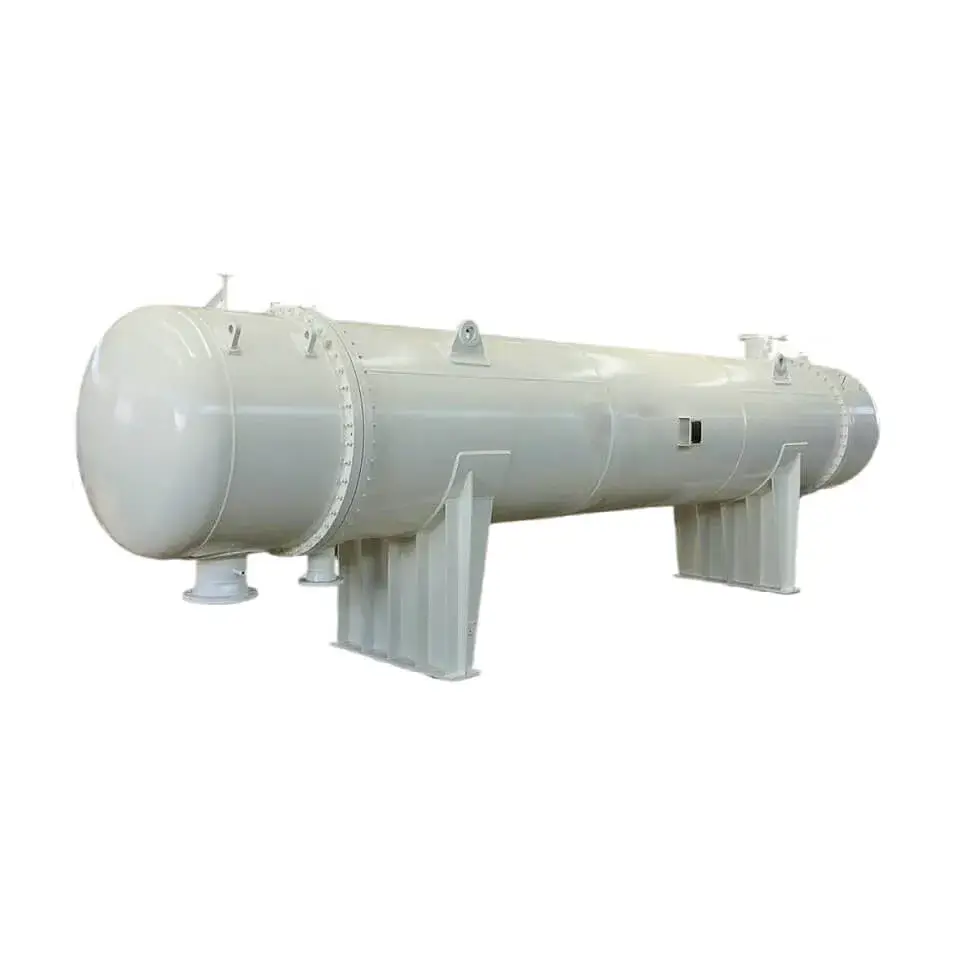
Heat Exchanger

Main Parameters
Discover the essential components of thermal transfer systems with Fete Vessel's expert guide to heat exchanger tubing solutions.
Heat exchanger tubes serve as the critical heat transfer components within thermal exchange systems. These precision-engineered tubular structures, typically manufactured from metals (stainless steel, copper, titanium) or specialized alloys, facilitate efficient thermal energy transfer between two or more fluids. The tubes are strategically arranged within heat exchangers to maximize fluid contact and heat exchange efficiency.
The heat transfer coefficient serves as the primary performance indicator, influenced by fluid properties, flow velocity, tube material, and wall thickness. Higher coefficients enable more compact heat exchanger designs with superior efficiency.
Heat exchanger tubes must withstand operational pressures and dynamic fluctuations. Pressure ratings are determined by material properties, wall thickness, and structural design elements.
Fete Vessel heat exchanger tubes deliver reliable thermal performance across diverse industrial sectors:
Critical for temperature control in chemical reactions and separation processes, including reactor cooling and raw material heating applications.
Essential components in crude oil preheating, natural gas cooling, and offshore platform applications including seawater desalination systems.
Key elements in thermal power plants transferring superheated steam energy between boilers and turbines, with specialized applications in nuclear reactor cooling.
Stainless steel tubes dominate pasteurization processes and temperature-sensitive food handling due to superior hygienic properties and corrosion resistance.
Copper and aluminum tubes facilitate refrigerant phase change processes in evaporators and condensers for climate control systems.
Fete Vessel recommends these best practices to ensure optimal performance and extended service life:
As the fundamental components of thermal management systems, heat exchanger tubes from Fete Vessel deliver critical performance across industrial applications. Through proper material selection, design optimization, and proactive maintenance, these components significantly enhance process efficiency while reducing energy consumption and operational costs.



| Brand Name: | Fete Vessel | Design Standard: | ASME, PED, CE |
|---|---|---|---|
| Place of Origin: | China | Condition: | New |
| Warranty: | 3 years | Production standard: | GB150.ASME.European standard. |
What are your strengths?
Ans. Our strengths lie in our expertise in design and manufacturing.
What is your estimated delivery time?
Ans. The delivery time varies depending on the specific product. Typically, it ranges from 10 to 40 working days.
What are your primary product offerings?
Ans. Our primary product offerings include industrial heat exchangers, pressure vessel, air dryer.
How can I get in touch with you?
Ans. We are available 24/7 through TradeManager for immediate assistance. Alternatively, you can contact us via email, WhatsApp, Skype, or WeChat. Select one of our products and message us, and we will promptly respond.
What are your payment terms?
Ans. Our payment terms require a 50% TT deposit in advance, with the remaining 50% TT balance due before delivery. We also offer the option of utilizing Alibaba Trade Assurance Service. We welcome any additional suggestions or inquiries regarding payment methods.
Feel free to Ask questions
Fete Vessel supports engineers and purchasing teams who need a reliable replacement for Heat Exchanger Tubes. Share the compressor model, cooler dimensions, drawings, operating pressure, temperature, medium, and old part photos, and our team will compare the details before recommending a suitable manufacturing plan.
Fit and drawings
We review cooler dimensions, nozzle position, mounting size, drawings, old part photos, and site installation details.
Material and test
Each order can be checked for material, tube bundle layout, pressure test requirements, coating, packing, and delivery schedule.
Repair or replace
For urgent maintenance projects, we can help check whether an existing cooler can be repaired, retubed, or replaced.
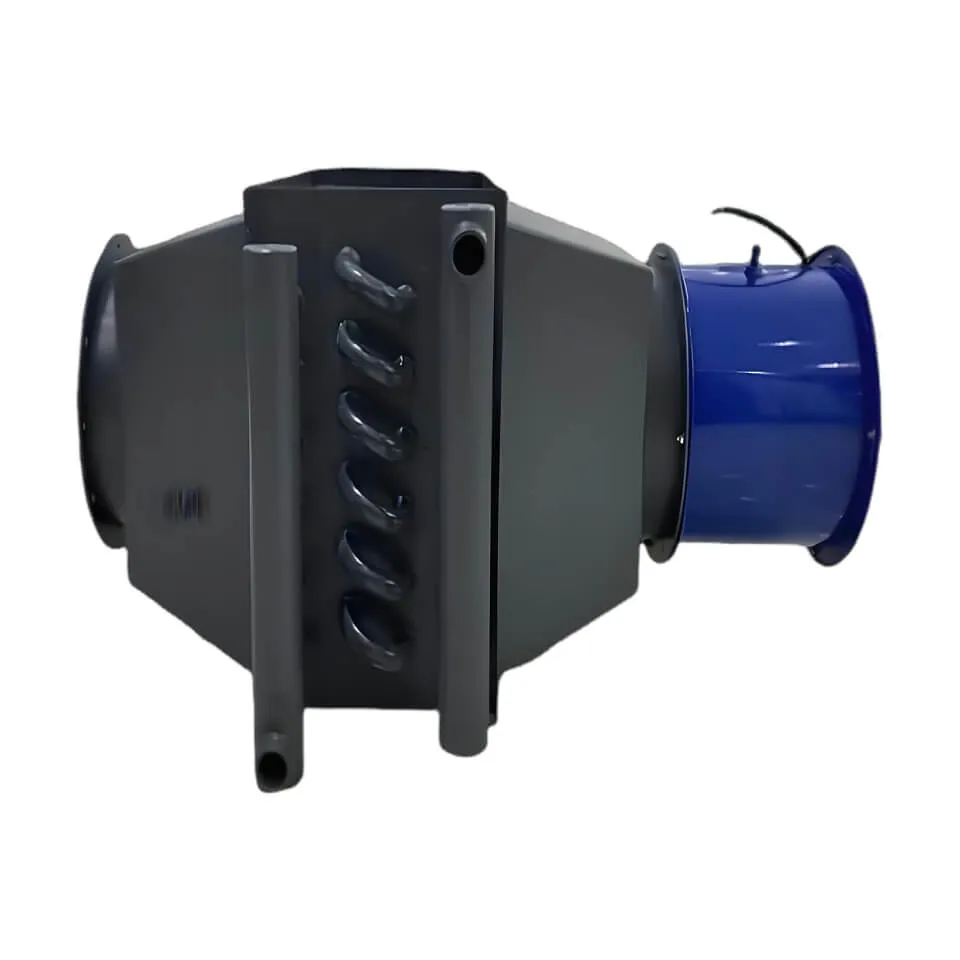


We have collaborated with many well-known enterprises, contributing to their success and establishing a strong reputation as a trusted partner in the industry.