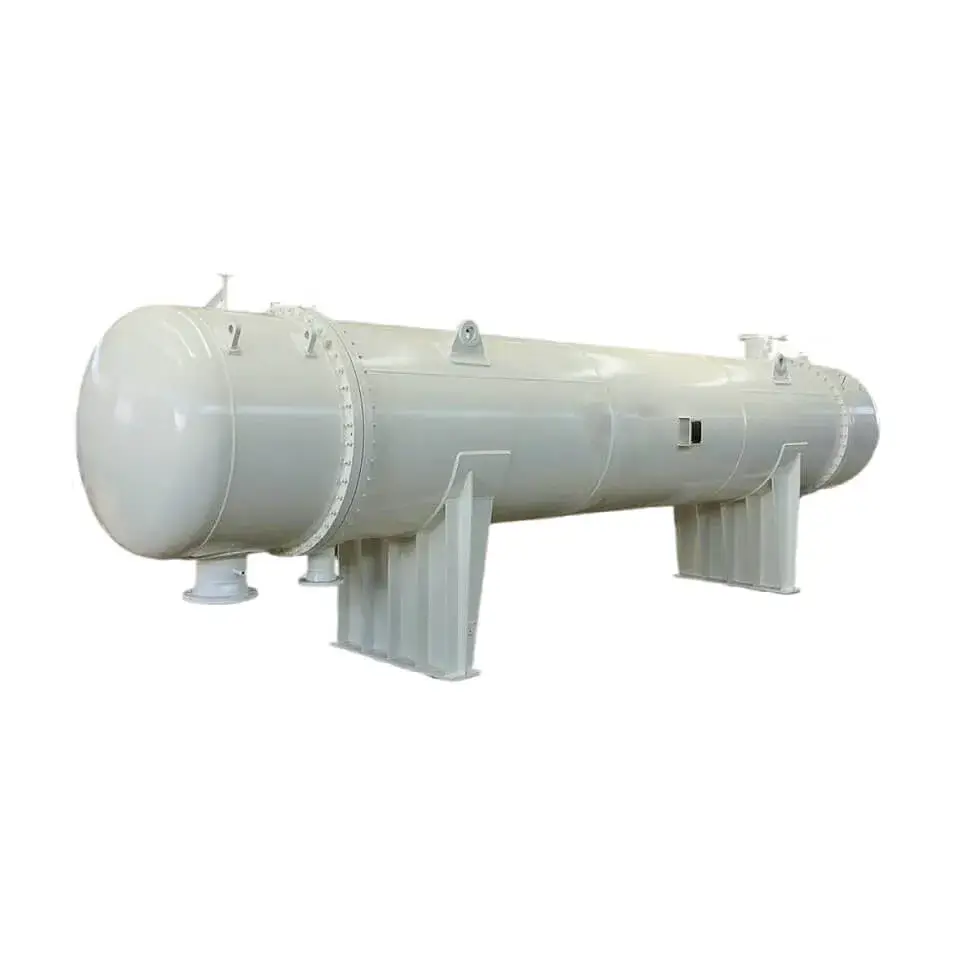
Heat Exchanger

Discover Fete Vessel's comprehensive guide to air heat exchange technology - the efficient, cost-effective solution for thermal management across industries.
Air Heat Exchange refers to the process of heat transfer using air as the medium between two or more different spaces, equipment, or systems. During this process, heat transfers from high-temperature areas to low-temperature areas until thermal equilibrium is achieved. The air heat exchanger is the key equipment that facilitates this process, utilizing natural or forced air flow to transfer heat from heat sources (such as heating equipment or industrial processes) to cold sources (like cooling towers or outdoor environments), or vice versa.
In data terms, we can simplify the basic principle of air heat exchange with the following formula:
Q = m * c * ΔT
Where:
Q represents heat transfer (unit: J or kJ)
m represents air mass flow rate (unit: kg/s)
c represents specific heat capacity of air (unit: J/(kg·K))
ΔT represents temperature change during heat exchange (unit: K)
| Feature | Description | Performance Data |
|---|---|---|
| High Efficiency | Air heat exchangers offer excellent heat transfer efficiency | Heat transfer coefficients up to 2000 W/(m²·K) |
| Flexibility | Suitable for various scenarios and working conditions | Size range: several cm to tens of meters; Airflow range: tens to hundreds of thousands m³/h |
| Cost-Effectiveness | Lower costs compared to liquid-based systems | Installed cost depends on the selected configuration, scope and site conditions. |
| Eco-Friendliness | No pollution generated during operation | Significant reduction in water consumption and wastewater discharge |
| Safety | No water leakage or freezing risks | Lower failure rates and repair costs than liquid systems |
Air heat exchange technology finds wide applications across multiple industries due to its efficiency, flexibility, cost-effectiveness, environmental benefits, and safety. Here are some typical application scenarios:
In large commercial buildings, offices, and hospitals, air heat exchangers are widely used for fresh air ventilation, return air reuse, and heat recovery. Through air heat exchangers, heat exchange between indoor and outdoor air can be achieved, reducing energy consumption while improving indoor air quality.
Data Case: In a 100,000 m² office building using air heat exchangers for ventilation, annual energy savings reach approximately ¥200,000 with about 200 tons of CO₂ emission reduction.
In industrial processes requiring cooling or heating, air heat exchangers serve as coolers or heaters to maintain proper equipment operation.
Data Case: A large chemical plant using air heat exchangers for reactor cooling saves about ¥500,000 annually in cooling water costs while reducing wastewater discharge by approximately 100,000 tons.
With the rapid development of data centers, heat dissipation has become increasingly critical. Air heat exchangers effectively transfer server-generated heat to outdoor environments.
Data Case: A 1,000-server data center using air heat exchangers saves about ¥1 million annually in electricity costs while improving reliability.
In agricultural greenhouses, air heat exchangers regulate internal temperatures to create optimal growing conditions.
Thermal and energy performance depend on the selected duty, media and configuration.
To ensure long-term stable operation and efficient heat transfer performance, regular maintenance is essential. Here are recommended maintenance measures:
Clean surfaces and internal channels quarterly to remove dust and oil deposits.
Recommendation: Use compressed air or soft brushes for cleaning, avoiding abrasive tools or corrosive cleaners that might damage surfaces.
Check filters monthly and replace severely clogged ones to maintain proper airflow.
Recommendation: Always use filters matching original specifications and ensure proper installation.
Regularly inspect seals for leaks that could reduce airflow and heat exchange efficiency.
Recommendation: Use soap water or specialized leak detectors for connection checks. Tighten or replace fasteners as needed.
Monitor key parameters like airflow, pressure, and temperature monthly to detect issues early.
Recommendation: Install appropriate sensors and maintain data logs for trend analysis and anomaly detection.
Schedule annual professional inspections of internal components and heat transfer performance.
Recommendation: Follow manufacturer guidelines for all maintenance procedures and maintain detailed service records.
In summary, air heat exchange serves as an efficient, flexible, economical, environmentally friendly, and safe heat transfer method with broad applications. Through proper maintenance following these guidelines, users can extend equipment lifespan, improve heat transfer efficiency, and maximize economic and environmental benefits.



| Supply Scope: | Confirmed for the project in the quotation and contract | Design Requirements: | Confirmed for the project in the quotation and contract |
|---|---|---|---|
| Warranty: | Confirmed per quotation and contract | Inspection Scope: | Confirmed for the project in the quotation and contract |
What are your strengths?
Ans. We compare the submitted model, drawings, dimensions and operating conditions before defining a quotation scope.
What is your estimated delivery time?
Ans. The delivery schedule depends on the approved specification, materials and inspection scope and is confirmed in the quotation and contract.
What are your primary product offerings?
Ans. Our primary product offerings include industrial heat exchangers, pressure vessel, air dryer.
How can I get in touch with you?
Ans. Use the contact form or the published email and messaging channels to send your project details. Response timing varies by enquiry and project scope.
What are your payment terms?
Ans. Payment method, deposit, balance, currency and any platform service are confirmed in the quotation and contract for each order.
Feel free to Ask questions
Share the existing heat-exchanger drawing or nameplate, dimensions, connections, process media, duty, temperatures, pressure limits and installation details, and our team will compare the requirements before proposing a manufacturing plan.
Dimensions and interfaces
We review heat-exchanger dimensions, connection locations, mounting, drawings, existing-unit photos and site installation details.
Materials and project requirements
Material, inspection, documentation, coating, packing and delivery requirements are reviewed against the approved project scope.
Maintenance scope review
For urgent maintenance projects, we can help assess whether an existing heat exchanger can be repaired, retubed or replaced.

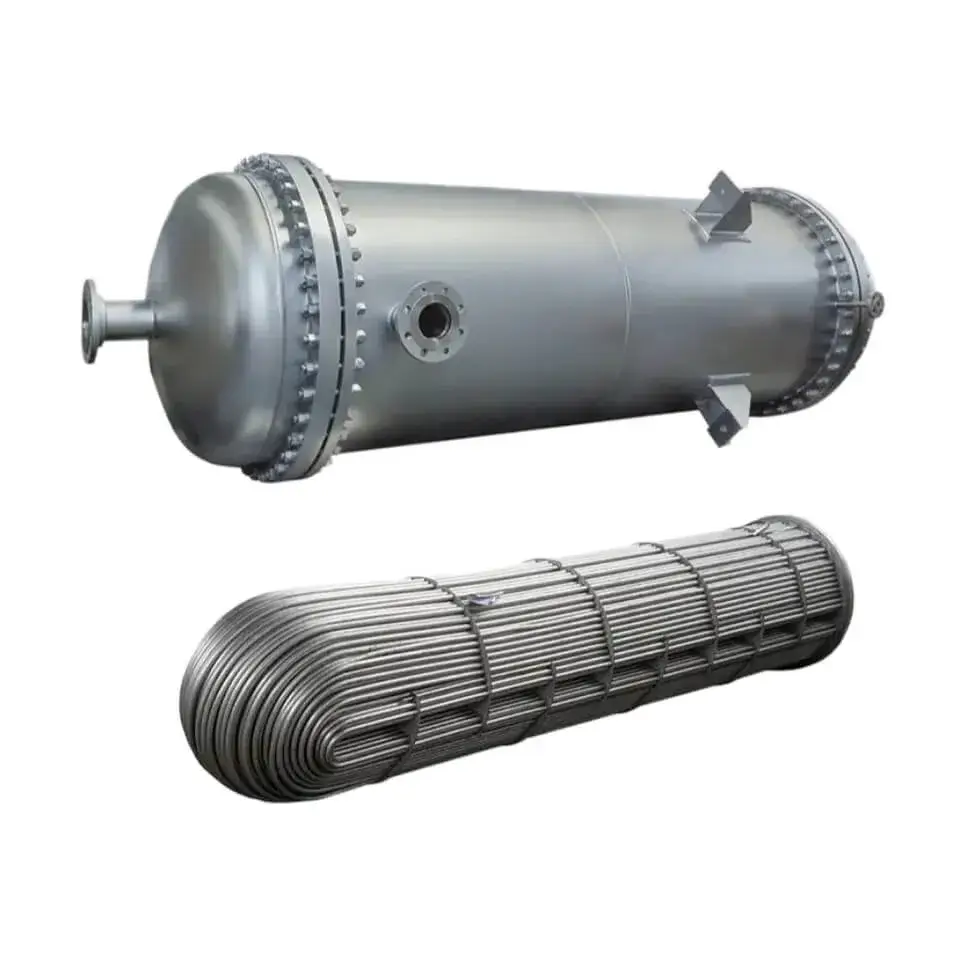

We have collaborated with many well-known enterprises, contributing to their success and establishing a strong reputation as a trusted partner in the industry.