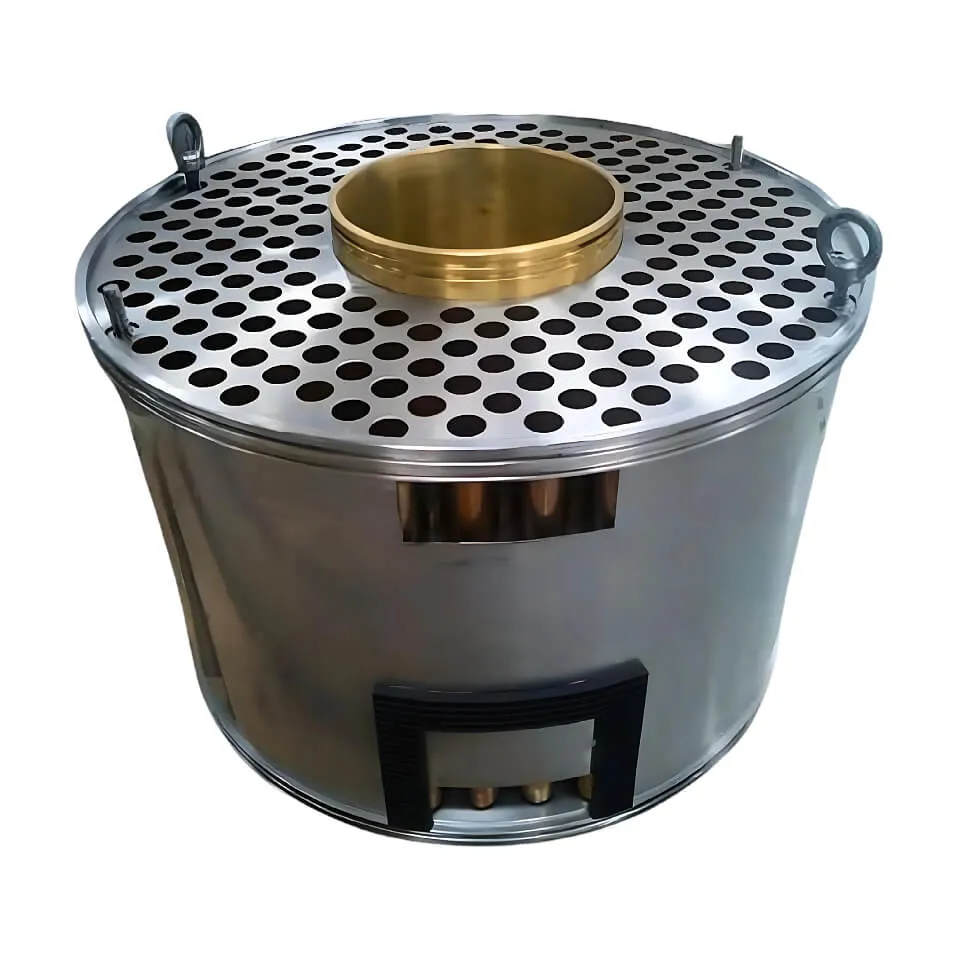
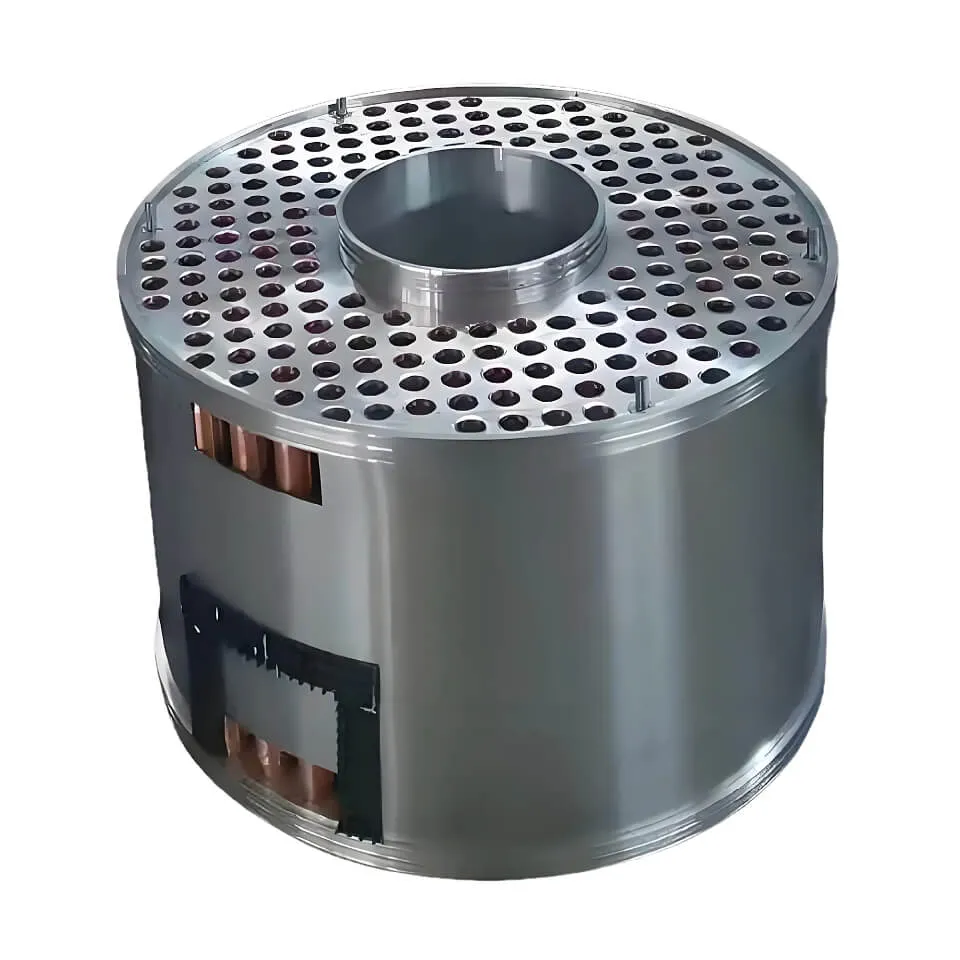
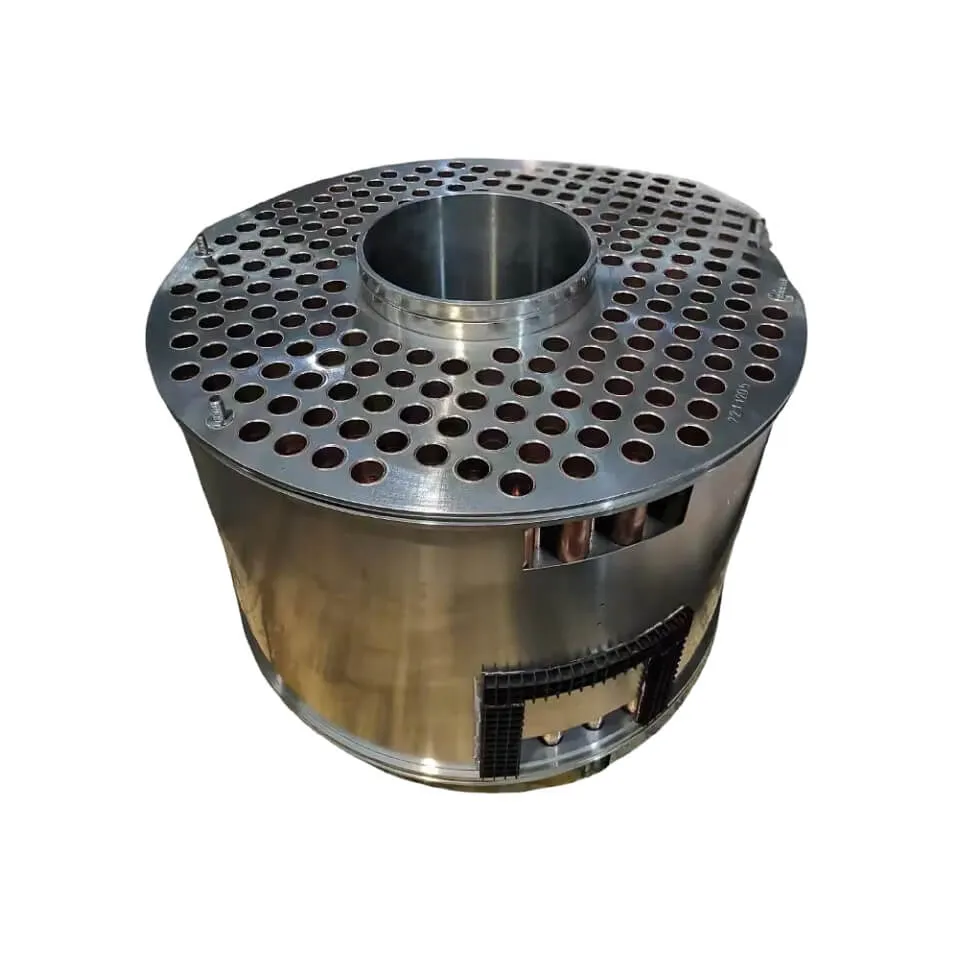
Centac Cooler CV1B
Main Parameters
Expert technical reference for Ingersoll Rand's CENTAC series centrifugal compressor cooling systems
1. Product Overview: Core Heat Exchange Unit for Centrifugal Compressor Systems
The Centac Cooler CV1B is a specialized heat exchange device designed by Ingersoll Rand for CENTAC series multi-stage centrifugal air compressors. As a critical component in compressed air systems, it efficiently transfers heat generated during compression to cooling media, ensuring optimal operating temperatures while maintaining system stability and energy efficiency.
1.1 Product Positioning and System Integration
As a standard component of CENTAC centrifugal compressors, the CV1B cooler integrates with the compressor body, motor, intercoolers, aftercoolers, and control cabinet to form a complete chassis system. Key functions include:
- Interstage Cooling: Reduces discharge temperatures between compression stages, lowering power consumption and improving efficiency
- Aftercooling: Lowers final discharge temperature to near ambient levels for industrial air quality requirements
- Lubrication Oil Cooling: Maintains optimal oil system temperatures to extend service life and reduce mechanical wear
1.2 Technical Evolution and Standardization
The CV1B cooler represents Ingersoll Rand's third-generation CENTAC platform design, building upon previous models (CV1A, C250) with enhanced heat transfer efficiency, compact construction, and maintenance accessibility. Its specifications precisely match CENTAC CV1B compressors (flow range: 1800-2350 m³/h, pressure: 100-150 PSI, power: 350-450 HP), delivering over 92% isothermal efficiency in rated conditions.
2. Technical Features and Performance Data
2.1 Core Structure and Material Innovations
- High-Efficiency Sleeve-Type Air Cooler (Patented Technology)
- Heat Exchange Tube Design: Internally finned copper tubes with spiral flow channels enhance air-side turbulence and convection coefficients
- Flow Configuration: Counter-current design with air through tube side and cooling water through shell side maximizes temperature differential utilization
- Performance: Under standard conditions (32°C inlet water, 2100 m³/h air flow), air-side pressure drop ≤0.03 bar with 15% lower water demand than conventional shell-and-tube coolers
- Integrated Intercooler-Diffuser Design
- Eliminates connection piping thermal resistance through direct welding to diffuser outlet
- Reduces interstage pressure losses by 8% for industry-leading specific power (kW/m³/min)
- Advanced Sealing System
- Tandem graphite floating ring seals combine 0.1-0.2 bar overpressure primary seal with dry gas secondary seal for zero leakage
- Integrated pressure sensors and flow meters enable real-time seal gas consumption monitoring with anomaly alerts
2.2 Performance Parameters and Efficiency Metrics
| Parameter | Value Range | Testing Standard |
|---|---|---|
| Air Flow (m³/h) | 1800-2350 | ISO 1217:2009 |
| Cooling Water Flow (m³/h) | 25-35 | ASME PTC 12.1 |
| Air Side Pressure Drop (bar) | ≤0.03 | Internal Test Method |
| Water Side Pressure Drop (bar) | ≤0.05 | Internal Test Method |
| Heat Transfer Coefficient (W/m²·K) | 800-1200 | Nusselt Equation |
| Fouling Resistance (m²·K/W) | ≤0.00017 (initial) | HTRI Xchanger Suite |
2.3 Intelligent Control and Monitoring
The CV1B cooler integrates with compressor control systems through microprocessor cabinets to enable:
- Adaptive Cooling: Automatic water flow adjustment based on ambient conditions and compressor load
- Predictive Diagnostics: Vibration sensors and AI algorithms detect tube fouling risks
- Remote Connectivity: Modbus TCP/IP interface for seamless DCS integration
3. Application Scenarios and Case Studies
3.1 Typical Industries
- Petrochemical Industry
- Application: Cracked gas interstage cooling in ethylene plants
- Technical Adaptation: 316L stainless steel construction for corrosion resistance
- Results: 12% power reduction with annual savings exceeding ¥2 million at one facility
- Food/Pharmaceutical Industry
- Application: Aftercooling for oil-free sterile air systems
- Technical Adaptation: Complies with ISO 8573-1 Class 0 standards
- Results: Achieved <0.003 mg/m³ oil content when paired with 0.01μm filters
- Data Center Cooling
- Application: Auxiliary cooling for immersion systems
- Technical Adaptation: Anti-corrosion coated surfaces for fluorinated liquid compatibility
- Results: Maintained ≤45°C server temperatures during primary system failures
3.2 Extreme Condition Validation
- High-Temperature Testing: Demonstrated <3% performance degradation after 3000 hours at 50°C ambient/45°C water in Saudi oil fields
- High-Altitude Operation: Maintained ≤35°C discharge air at 4200m elevation through increased fan power compensation
4. Maintenance Strategy
4.1 Routine Inspection and Preventive Maintenance
- Critical Parameter Monitoring
- Cooling water temperature (25-32°C recommended, ±5°C alarm thresholds)
- Flow rate monitoring (±10% variation triggers inspection)
- Seal gas consumption (normal ≤5 Nm³/h)
- Scheduled Maintenance
- 6-month RO water flushing with annual corrosion inhibitor treatment
- Biennial tube inspection via pipeline robots (replace at >10% wall thickness corrosion)
- 5000-hour bearing relubrication (lithium grease) with vibration monitoring
4.2 Troubleshooting and Emergency Procedures
- Common Failure Modes
- Insufficient water flow (pump/valve issues or blockages)
- Fouling-induced efficiency loss (quantifiable via thermal resistance testing)
- Seal leaks (detectable through pressure fluctuations and gas sensors)
- Response Protocol
- Short-term: Activate backup cooling, reduce compressor load to 80%
- Long-term: Replace damaged components with post-repair pressure testing (1.5x design pressure for 30 minutes)
4.3 Spare Parts and Lifecycle Management
- Critical Spares:
- Graphite seal rings (CV1B-GSK-01)
- Finned copper tubes (Φ25×1.5, custom lengths)
- Variable frequency fans (CV1B-FAN-03, IP56 rated)
- Life Prediction: LSTM neural network models estimate remaining tube life using operational hours, water quality, and environmental data
5. Conclusion: Benchmark in Industrial Heat Exchange Technology
The Centac Cooler CV1B represents a technological leap in centrifugal compressor cooling through its optimized thermal design, intelligent controls, and reliability engineering. In alignment with carbon neutrality goals, it delivers significant energy savings through reduced power consumption, extended oil life, and minimized water usage. Future integration with digital twin and predictive maintenance technologies will further evolve the CV1B into a self-monitoring, decision-making intelligent thermal management solution, setting new standards for industrial cooling systems.
| Brand Name: | Fete Vessel | Design Standard: | ASME, PED, CE |
|---|---|---|---|
| Place of Origin: | China | Condition: | New |
| Warranty: | 3 years | Production standard: | GB150.ASME.European standard. |
What are your strengths?
Ans. Our strengths lie in our expertise in design and manufacturing.
What is your estimated delivery time?
Ans. The delivery time varies depending on the specific product. Typically, it ranges from 10 to 40 working days.
What are your primary product offerings?
Ans. Our primary product offerings include industrial heat exchangers, pressure vessel, air dryer.
How can I get in touch with you?
Ans. We are available 24/7 through TradeManager for immediate assistance. Alternatively, you can contact us via email, WhatsApp, Skype, or WeChat. Select one of our products and message us, and we will promptly respond.
What are your payment terms?
Ans. Our payment terms require a 50% TT deposit in advance, with the remaining 50% TT balance due before delivery. We also offer the option of utilizing Alibaba Trade Assurance Service. We welcome any additional suggestions or inquiries regarding payment methods.
Feel free to Ask questions
Trusted partners
We have collaborated with many well-known enterprises, contributing to their success and establishing a strong reputation as a trusted partner in the industry.