Tech March 18, 2025

Waste Heat Recovery from Air Compressors
Introduction to Waste Heat Recovery from Air Compressors
- Overview of Waste Heat Recovery
- Principles of Waste Heat Recovery
- Introduction to Heat Exchange Equipment
- Introduction to Heat Pump Technology
- Principles of Heat Pump
Overview of Waste Heat Recovery from Air Compressors
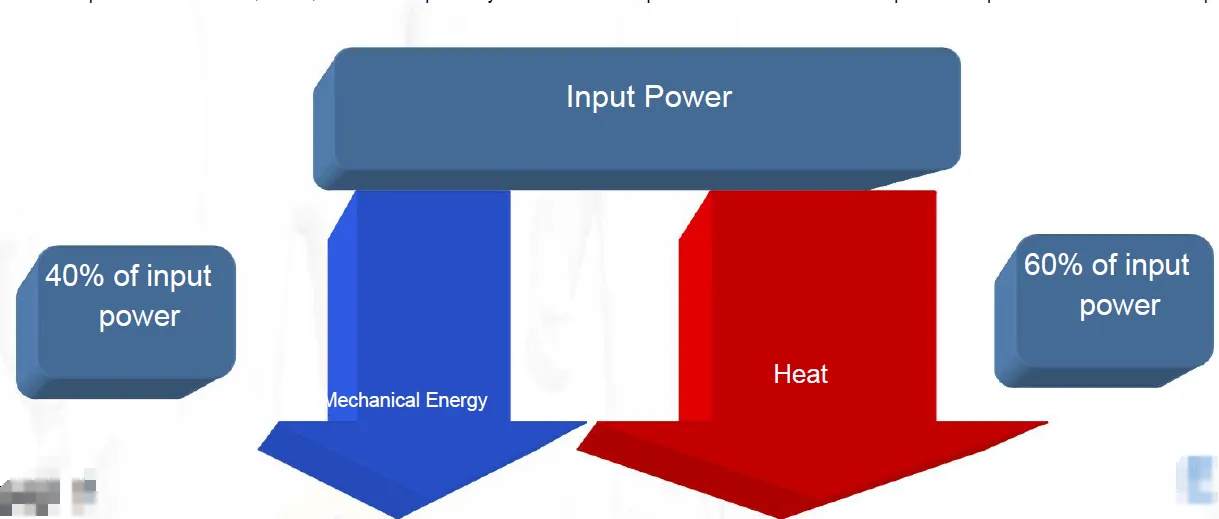
In the long-term continuous operation of air compressors, electrical energy is converted into mechanical energy, and then mechanical energy is converted into wind energy. During the process of mechanical energy conversion into wind energy, air is strongly compressed under high pressure, resulting in a sharp increase in temperature. This is a common physical phenomenon of mechanical energy conversion. The high-speed rotation of mechanical screws also generates friction heat. These generated high temperatures are mixed with the lubricating oil of the air compressor to form oil/gas steam and are discharged from the body. This part of the high-temperature/gas stream's heat accounts for 60% of the input power of the air compressor, with temperatures typically ranging from 80°C (winter) to 100°C (summer and autumn). Due to the temperature requirements of machine operation, all this thermal energy is wasted and discharged into the atmosphere through the cooling system of the air compressor.
Waste Heat Recovery Principle
The main function of the waste heat recovery equipment for air compressors is to recover the excess heat generated during the operation of the air compressor. This is primarily achieved by connecting the cooling oil or high-temperature air of the air compressor to a heat exchange device, which exchanges heat with water to recover the heat generated by the air compressor and produce hot water.
Basic Components of Waste Heat Recovery
- Circulating Heating Tank: Used for circulating and heating cold water. When the temperature reaches the set temperature, the heated water is pumped to a large water tank at a distant water usage point by a water supply pump.
- Water Storage Tank: When the water in the circulating heating tank reaches the set temperature, the heated water is pumped into the water storage tank for storage, ready for use by employees after work.
Comparison of Operating Costs and Benefits of Waste Heat Recovery
Annual operating costs for 500 people using 10 tons of water per day (assuming an electricity cost of 0.9 yuan):
- Electric Heating: 138,000 yuan
- Fuel Oil: 100,800 yuan
- Solar Energy: 15,000 yuan
- Waste Heat Recovery: 0 yuan
Thermal Energy Applications
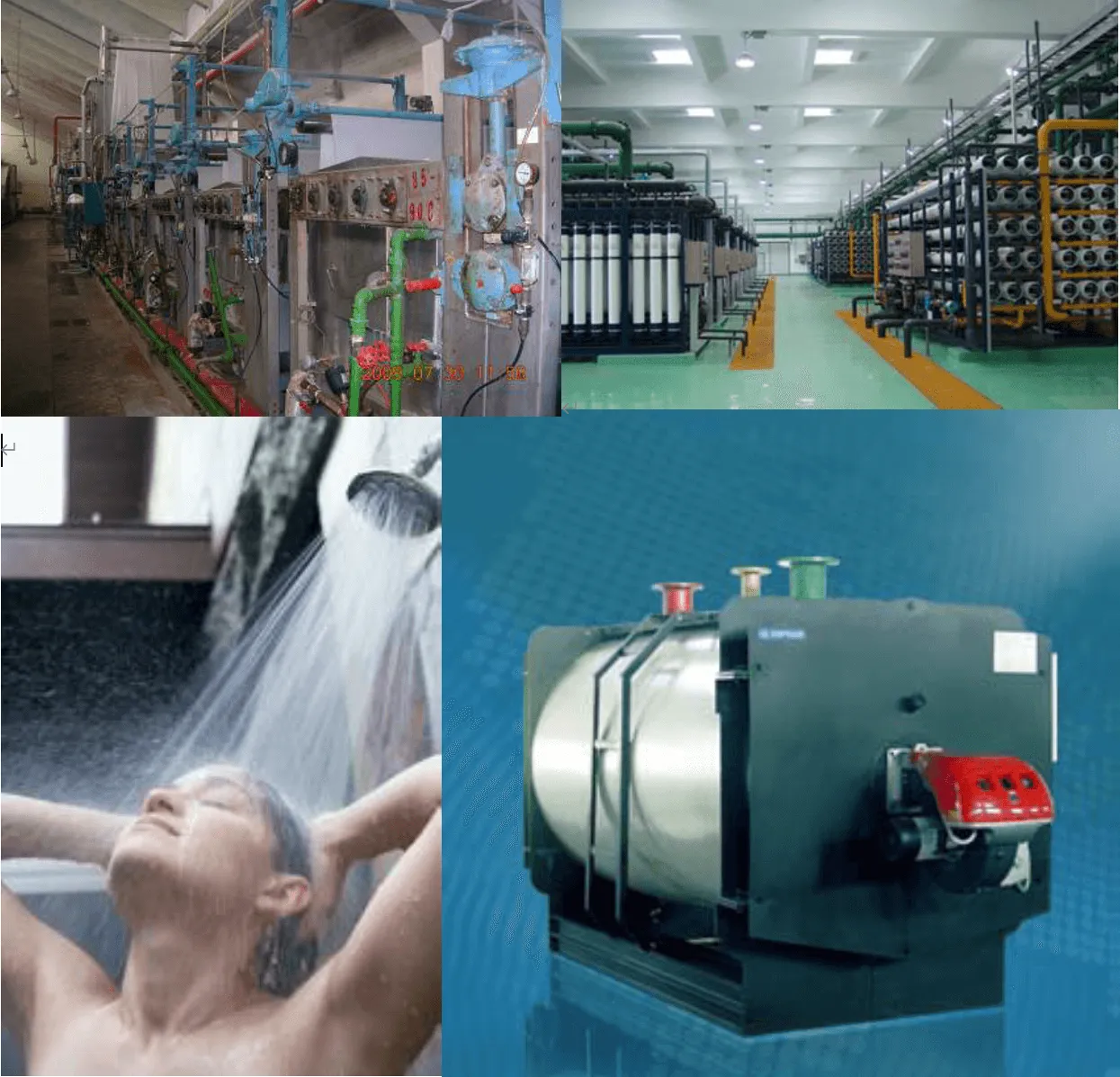
- Process Hot Water:
- Electronics/Semiconductors/LCDs (heating for pure water cleaning processes)
- Textiles: Shaping and rinsing hot water for dyeing and finishing processes, with water temperatures ranging from 30°C to 90°C
- Hot water cleaning processes such as electrophoretic paint cleaning and aluminum can cleaning
- Domestic Hot Water:
- Boiler makeup water to increase inlet water temperature and save energy
- Employee bathing
Survey on Waste Heat Recovery Project Information
- Type of Water for Waste Heat Recovery: Domestic water, process water, boiler return water
- Water Consumption and Number of Company Employees: To formulate a corresponding modification plan based on water consumption.
- Distance Between Water Usage Points and Air Compressor Room: To estimate project cost.
- Air Compressor Conditions: Number of air compressors, power, cooling method.
- Original Heating Method: Electric heating, coal-fired, solar energy, etc., to calculate the investment payback period.
Introduction to Heat Exchange Equipment
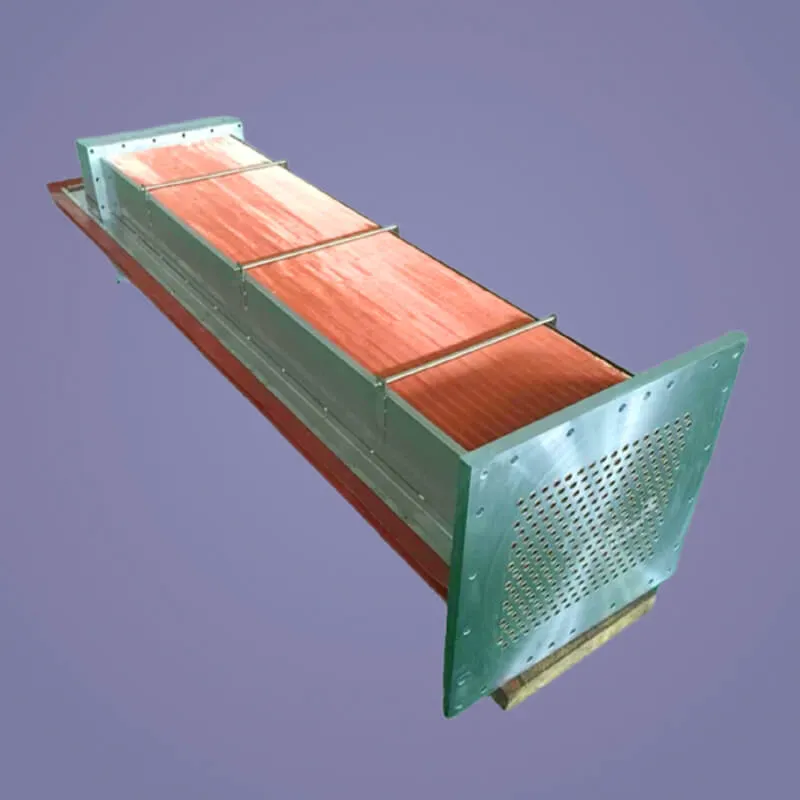
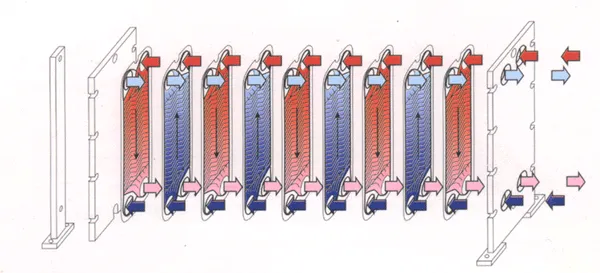
- Plate Heat Exchanger: Mainly used in the market, composed of a series of metal plates with a corrugated shape stacked together. Heat exchange occurs as the two heat exchange media flow through each plate.
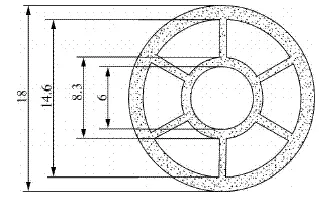
- Double-pipe Heat Exchanger: Simple in structure, with high pressure resistance of the inner pipe. Suitable for situations with small flow rates and low heat transfer area requirements but high pressure requirements.
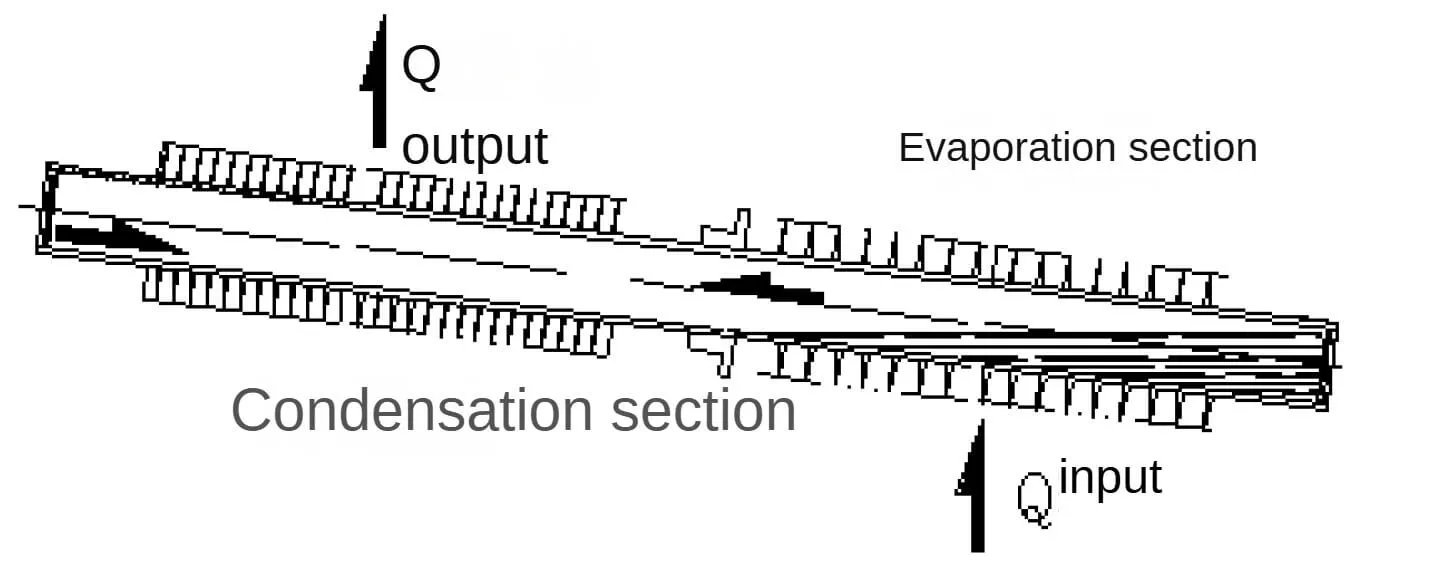
- Heat Pipe Heat Exchanger: Heat is transferred from the heating area to the cooling area through the phase change process of the working medium inside the heat pipe.
Introduction to Heat Pump Technology
A heat pump is essentially a heat lifting device that extracts heat from the surrounding environment and transfers it to the heated object (a hotter object). Its working principle is the same as that of a refrigerator, both operating according to the reverse Carnot cycle, but with different working temperature ranges.
Fete Vessel Case Studies
Fete Vessel, as an expert in compressed air energy saving, has numerous successful case studies in waste heat recovery from air compressors.