Tech March 18, 2025
Common Faults and Handling of Air Compressor Systems
Overview of Air Compressor Systems
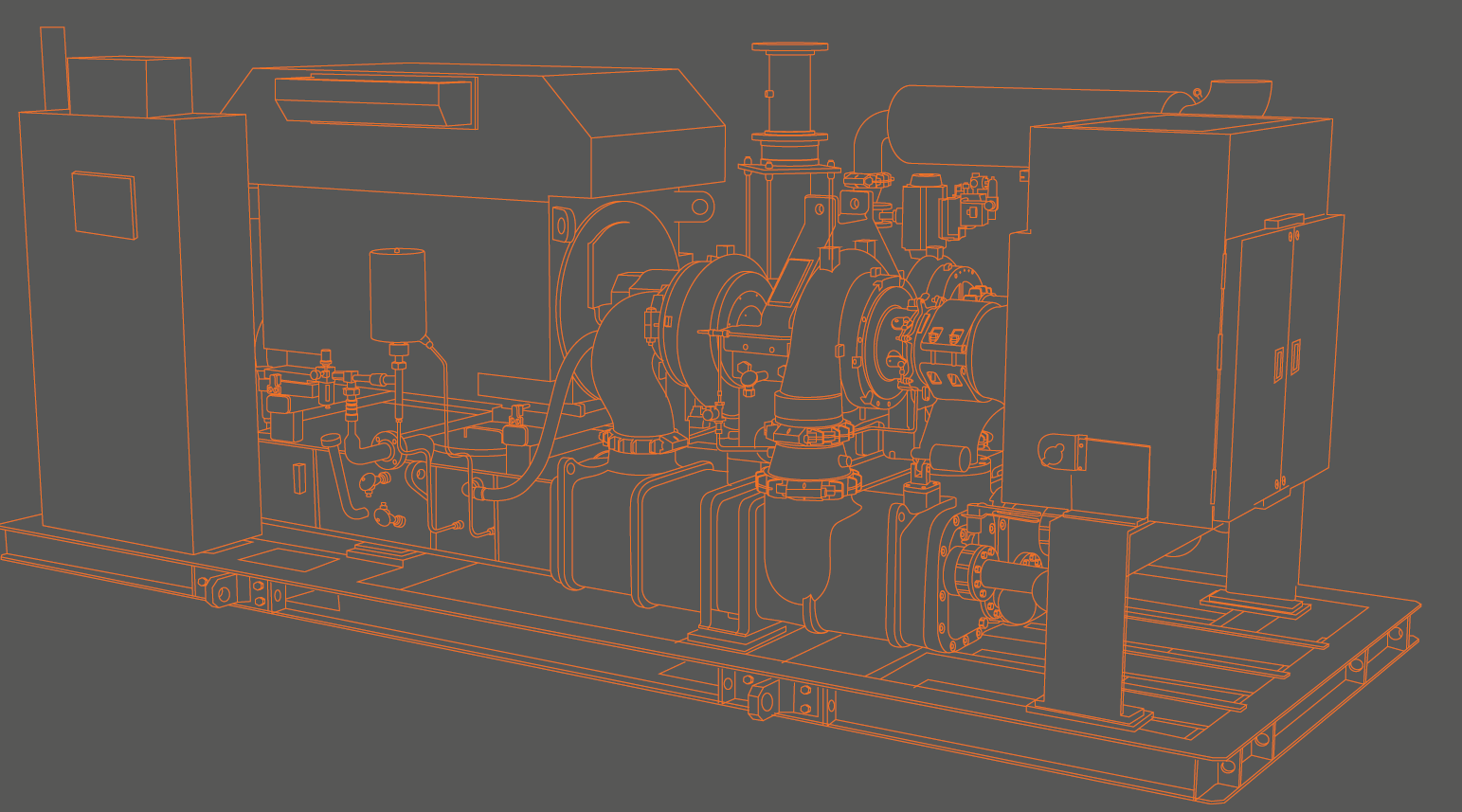
Air compressors are fundamental to industrial automation, converting mechanical energy (typically from an electric motor) into compressed air energy. This document focuses on screw-type air compressors, commonly used in power generation systems for ash handling and instrument air supply.
Common Alarms and Faults
- Temperature Alarms: High temperature at the compressor outlet (110°C alarm, 120°C shutdown).
- Pressure Alarms: High pressure at the compressor outlet (10 bar alarm, 15 bar shutdown).
- Oil Separator Issues: Clogging of the oil separator filter, leading to increased pressure differential.
- Air Filter Issues: Clogging of the air filter, causing negative pressure at the compressor inlet.
- Oil Filter Issues: Clogging of the oil filter due to impurities.
- High Oil Temperature: Caused by oil aging, poor oil return, or oil loss.
- Low Oil Level: Indicated by low oil level in the oil separator.
- Line Pressure Issues: Overloading or unloading pressure control problems.
Common Faults and Handling
- Power Loss: Check the power supply to the compressor.
- Motor Overheating: Reduce motor load and ensure proper cooling.
- Compressor Overheating: Ensure proper ventilation, check oil levels, and inspect cooling fans.
- High Pressure: Adjust the load pressure settings and inspect pressure sensors.
- Motor Rotation Error: Check motor wiring and rotation sensors.
- Maintenance Alerts: Perform regular maintenance and reset maintenance timers.
- Cooling System Failure: Inspect cooling fans, relays, and wiring.
- Oil Pressure Issues: Check oil levels, oil lines, and oil pumps.
Operational Modes
Air compressors can operate in two modes:
- Continuous Operation: Used for systems with high air demand, such as ash handling.
- Automatic Operation: Used for systems with low air demand, such as instrument air supply.
Maintenance and Inspection
- Check oil levels regularly and top up if necessary.
- Monitor air pressure and temperature during operation.
- Inspect for unusual noises or vibrations.
- Ensure proper functioning of unloading and loading pressure settings.
- Check for oil or air leaks in pipelines and connections.
Dryer System Faults and Maintenance
The dryer system is crucial for removing moisture from compressed air. Common issues include:
- High Refrigerant Pressure: Caused by excessive refrigerant, high cooling water temperature, or clogged condensers.
- Low Refrigerant Pressure: Due to insufficient refrigerant or cooling water issues.
- Poor Drying Performance: Caused by faulty heaters, high air moisture, or excessive air flow.