Tech March 23, 2025
Introduction
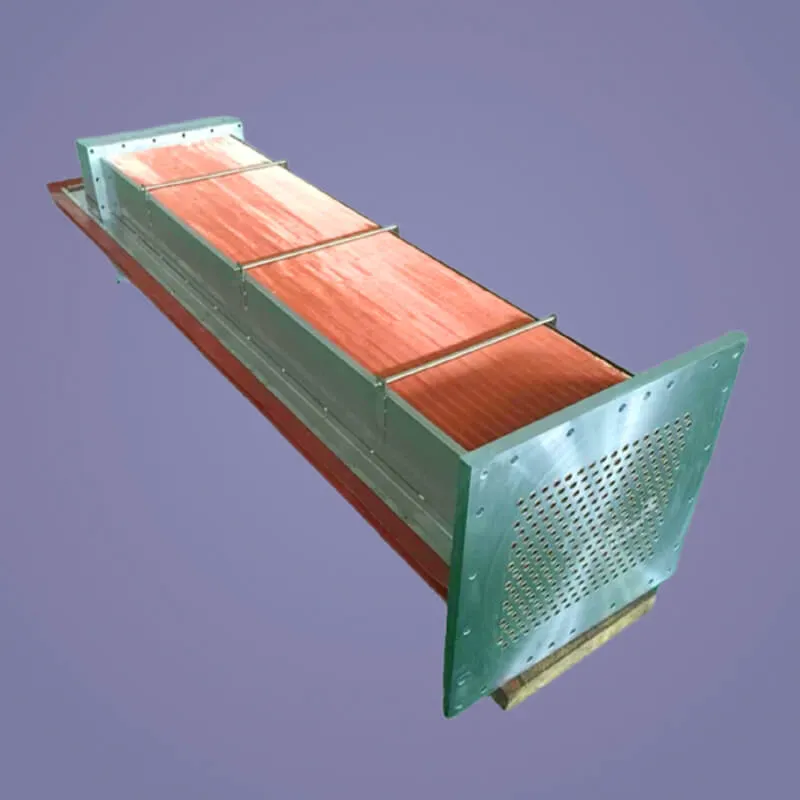
Air coolers are heat exchange devices that use air to cool or condense fluids flowing inside tubes, often equipped with fins. They have become essential in addressing the increasing demand for industrial water and reducing water pollution in industrial areas. This article focuses on the process design of dry air coolers, providing a concise and practical guide for current design practices.
Key Design Parameters for Air Coolers
Design Temperature
The design temperature refers to the inlet air temperature used in the design of the air cooler. When the average temperature difference is below 20°C, careful consideration is required to ensure the fluid inside the tubes is cooled to the desired temperature. Conservative methods for selecting the design temperature include using the monthly average of the highest daily temperatures during the hottest month plus 3-4°C, or the average of the highest daily temperatures in July and August plus about 10% of that value. In regions with high humidity and significant daily temperature variations, the temperature that does not exceed 5 days per year can be used.
Fluid and Temperature Inside Tubes
Ideally, the fluid inside the tubes should have a freezing point below 5°C, be clean, and not prone to polymerization. The inlet temperature of the hot fluid should generally be around 120-130°C or lower, and not below 60-80°C. For dry air coolers, the outlet temperature of the hot fluid should be at least 20-25°C higher than the design air temperature, with a minimum difference of 15°C to ensure economic efficiency. Some international standards suggest a temperature difference of 17-22°C for optimal economic performance, with a minimum difference of 11-14°C.
Number of Tube Rows N
The number of tube rows significantly impacts investment and operational costs. Generally, the number of rows should be arranged to achieve an air temperature rise of 15-20°C. The selection of tube rows also depends on factors such as the heat transfer area, fluid velocity inside the tubes, and the air cooler series. Fewer tube rows result in better heat transfer but higher costs per unit area and larger space requirements. More tube rows increase air pressure drop. Therefore, a balanced approach is necessary in design. Common configurations include 4 and 6 rows, with some using 2 or 8 rows.
Number of Tube Passes Nt
When determining the number of tube passes, it is important to consider the high pressure drop inside the tubes, which typically results in lower fluid velocities. For liquids, the velocity should be between 0.5-1 m/s, and for gases, the weight velocity should be 5-10 kg/(m²·s).
Conclusion
Designing an efficient air cooler involves careful consideration of various parameters, including design temperature, fluid properties, number of tube rows, and tube passes. By following these guidelines, engineers can optimize the performance and economic efficiency of air cooling systems in industrial applications.
References
- Ludwig, E.E. (1979). Process Design of Chemical Plants. Beijing: Chemical Industry Press.
- Petrochemical Planning and Design Institute (1974). Process Calculations for Cooling Equipment. Beijing: Petrochemical Press.
- Briggs, D.E., & Young, E.H. (1963). CEP Symposium Series, 59(41).