Tech March 23, 2025

Air Cooled Heat Exchangers Development Advantages and Applications

Air-Cooled-Heat-Exchangers-Development-Advantages-and-Applications

Introduction to Air-Cooled Heat Exchangers

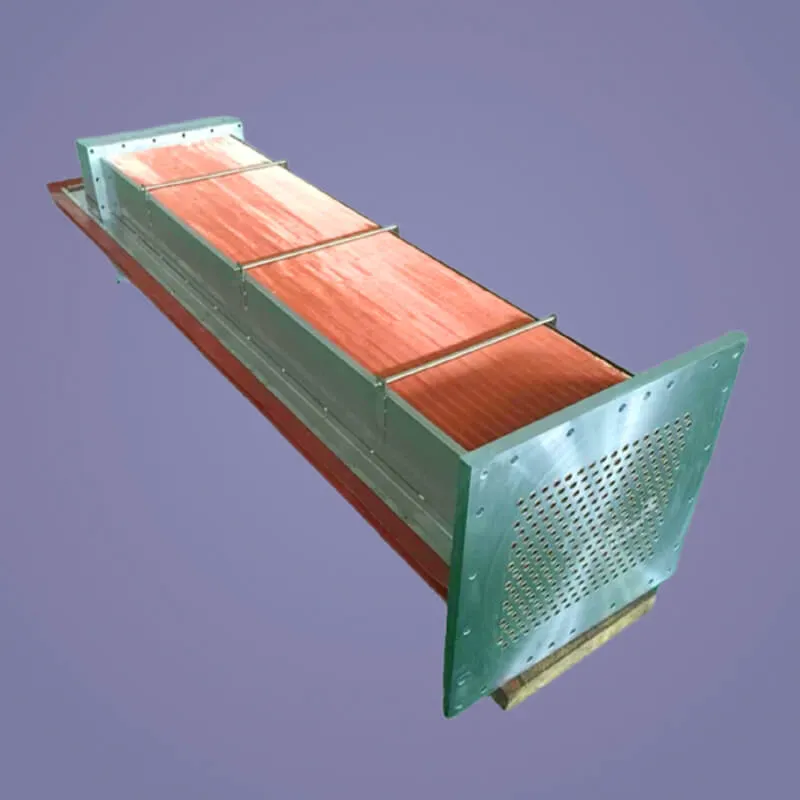
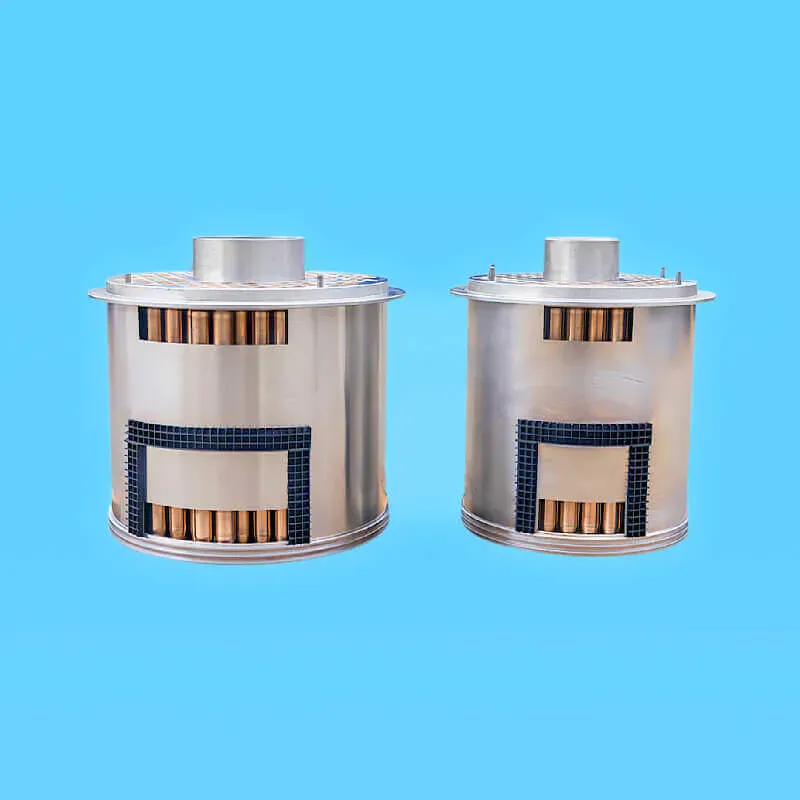
Air-cooled heat exchangers, commonly known as air coolers, use ambient air as the cooling medium. They rely on finned tubes to expand the heat transfer area and enhance external heat transfer. The air passing over the finned tubes absorbs heat from the fluid inside the tubes, achieving the purpose of cooling or condensing the internal fluid. In industries such as petroleum refining and chemical processing, air coolers are essential equipment, and their design, manufacturing, and structural improvements have been the focus of extensive research.


Development of Air-Cooled Heat Exchangers

Traditionally, water was the preferred cooling medium in industrial systems. However, since the 1940s, with the rapid development of industries such as petroleum refining, chemical processing, and metallurgy, water consumption has surged, leading to water shortages. Environmental concerns and the need for energy conservation have driven the development of new cooling media and equipment. Air, being an abundant resource, naturally became a focus of attention.

Initially, air coolers were not widely adopted due to the low enthalpy of air, which has a specific heat capacity of only 0.24 kcal/kg°C, one-fourth that of water. This meant that four times the volume of air was needed to achieve the same cooling effect as water. Additionally, air's density and heat transfer coefficient are much lower than water's, making air coolers larger and less efficient. The first air cooler was installed in a refinery in the western United States in the 1920s, using vertical tube bundles and natural ventilation. By the 1930s, single-sided vertical and horizontal finned tube bundles with fans were introduced, marking a significant breakthrough in air-cooling technology.

Advantages of Air-Cooled vs Water-Cooled Systems

Air-cooled systems offer several advantages over water-cooled systems:

  • Environmental Benefits: Air coolers do not cause thermal or chemical pollution, and air is freely available without the need for additional equipment or costs.
  • Site Selection Flexibility: Air coolers are not limited by the availability of water sources, making them suitable for a wide range of locations.
  • Low Maintenance Costs: Air coolers require less maintenance compared to water-cooled systems, with maintenance costs typically being 20-30% of those for water-cooled systems.
  • Energy Efficiency: Air coolers consume less power than water-cooled systems, contributing to energy savings.

However, air-cooled systems also have some disadvantages, such as being less effective in cooling fluids to ambient temperatures and being more susceptible to environmental temperature fluctuations.

Applications of Air-Cooled Heat Exchangers

Air-cooled heat exchangers are widely used in various industries, including:

  • Petroleum Refining: Air coolers have been used in refineries since the 1940s, significantly reducing water consumption.
  • Chemical Industry: Air coolers are suitable for cooling various chemical products, especially those that are explosive or toxic when in contact with water.
  • Power Industry: Air-cooled systems have been used in power plants for over 40 years, reducing water usage by more than 90%.
  • Metallurgical Industry: Air-cooling technology is mature in metallurgical applications, particularly for cooling circulating water in blast furnaces and metal furnaces.
  • Nuclear Industry: Air coolers are used in fast reactor cores to cool liquid sodium, providing a safe cooling solution in case of leaks.

Conclusion

Air-cooled heat exchangers have evolved significantly since their inception, offering numerous advantages over traditional water-cooled systems. They are environmentally friendly, energy-efficient, and versatile, making them suitable for a wide range of industrial applications. As industries continue to prioritize sustainability and energy conservation, the adoption of air-cooled systems is expected to grow, further driving innovation and development in this field.

Share Article

Get stories direct to your inbox

We’ll never share your details. View our Privacy Policy for more info.